

 Overview
Clear Lake Digital supports aquatic ecosystem restoration by focusing on the recovery of degraded waterways, wetlands, shorelines, and aquatic habitats. Our approach begins with understanding existing ecological conditions and identifying the factors affecting ecosystem health. We help develop restoration strategies that address habitat degradation, water quality concerns, disrupted ecological processes, and the loss of natural aquatic functions. By combining environmental assessment with practical restoration planning, we support the recovery of more functional and resilient aquatic environments.
We examine the condition of aquatic habitats, wetlands, water quality, and environments to understand the causes of ecological degradation.
We develop restoration priorities and practical strategies based on site conditions, ecological needs, habitat goals, to restore natural ecosystem.
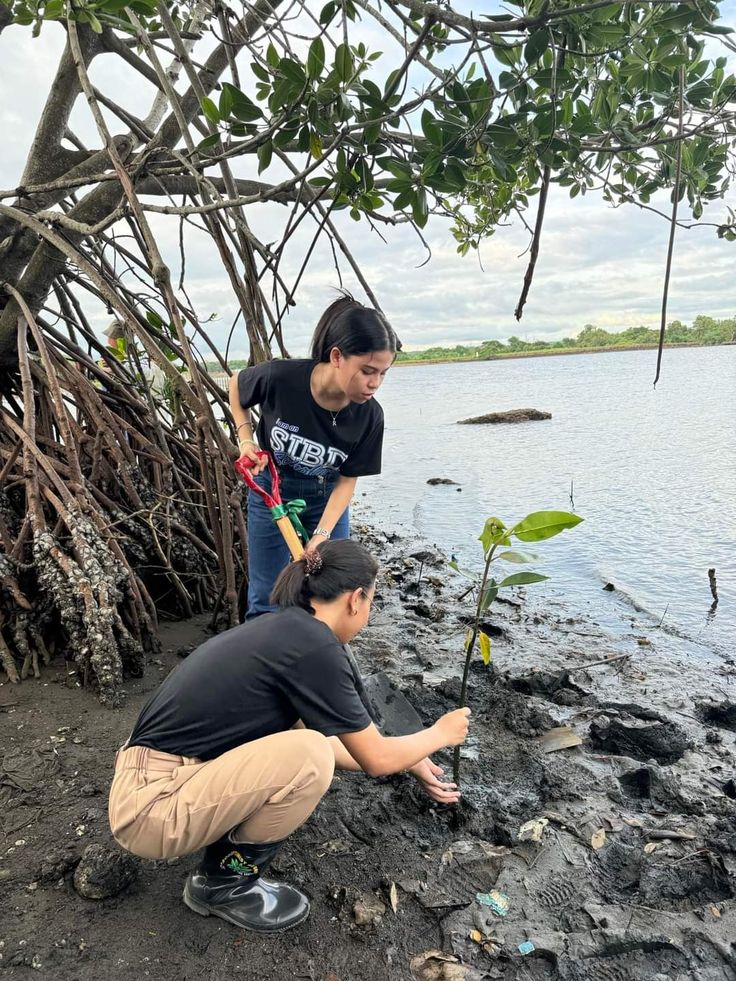
We support restoration that improve aquatic habitats, enhance shoreline conditions, and help re-establish healthier ecological processes.
We evaluate restoration progress and ecosystem response over time, using monitoring insights to identify improvements and support.
Restoration Focused
Restore degraded aquatic habitats by improving ecological conditions and creating environments that support native aquatic plants.
Support the recovery of native aquatic and shoreline vegetation to strengthen habitat quality, and natural ecosystem functions.
Improve degraded shoreline areas through restoration approaches that strengthen natural buffers, and support aquatic ecosystem stability.
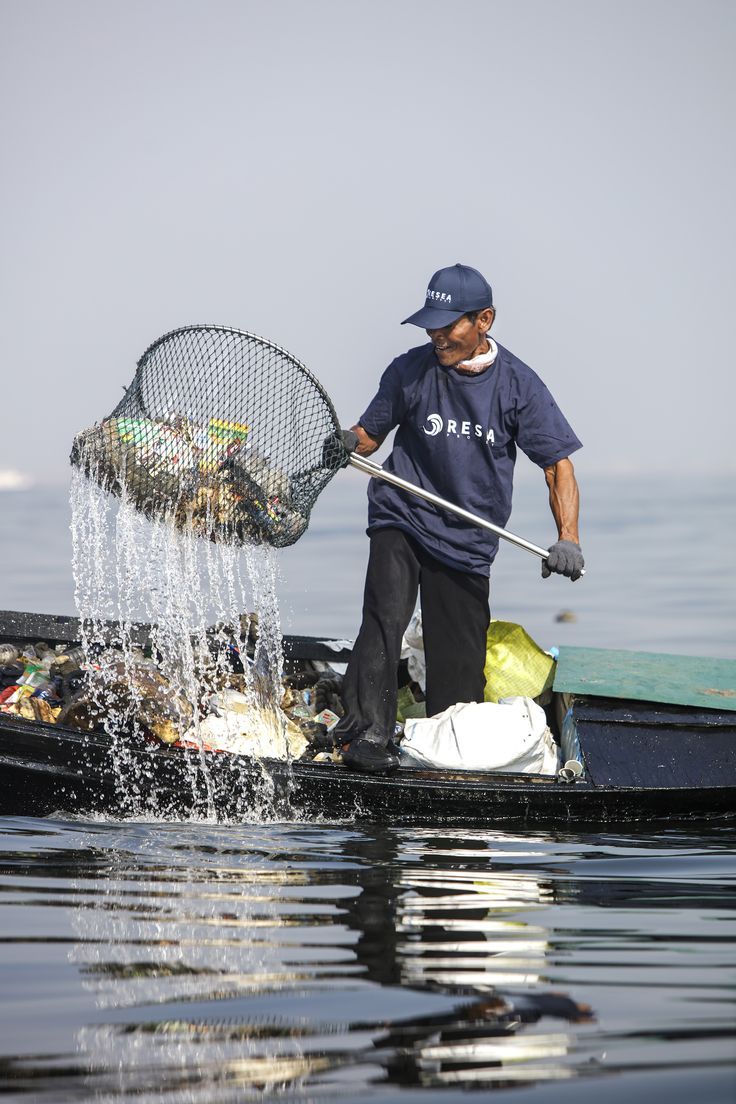
Address ecological factors affecting water conditions and restoration measures that contribute to cleaner and balanced aquatic environments.
Aquatic ecosystem restoration focuses on improving the ecological condition of lakes by restoring natural functions, habitats, and biological balance.
Clear Lake Digital provides ecosystem assessments, restoration planning, environmental monitoring, habitat improvement guidance, and data-driven strategies designed to support healthier aquatic environments.
Restoring aquatic habitats can improve ecological connectivity, support native species, strengthen natural processes, and help create more resilient water ecosystems over the long term.
Restoration planning begins with understanding existing ecosystem conditions, identifying key environmental pressures, establishing restoration priorities, and developing practical actions based on site-specific ecological needs.
Yes. Appropriate restoration measures can improve habitat conditions for native plants, fish, invertebrates, birds, and other organisms that depend on healthy aquatic ecosystems.
Long-term monitoring helps evaluate restoration progress, identify changing ecosystem conditions, measure outcomes, and guide future improvements for sustainable aquatic ecosystem recovery.