
 Overview
Clear Lake Digital supports the management of lake-associated wetland ecosystems with a focus on protecting their natural functions, water conditions, habitats, and ecological value. Our approach considers the relationship between lake waters, wetland areas, vegetation, and surrounding aquatic environments. We help identify changes in lake wetland conditions, understand environmental pressures, and organize relevant information to support practical management strategies. From protecting wetland habitats and natural water processes to supporting responsible lake planning, our solutions help strengthen the long-term ecological condition of lake-connected wetlands.
We examine lake-connected wetland conditions, water levels, vegetation, habitats, and surrounding areas to understand the current ecological characteristics of the wetland.
We evaluate wetland conditions and identify changes that may influence lake water, habitat quality, vegetation, and the natural functions of lake-associated wetland areas.
We develop practical management priorities for protecting lake wetland habitats, maintaining natural water processes, and supporting healthier conditions across connected areas.
We support continued wetland management and conservation practices that help preserve lake-connected habitats, ecological functions, and long-term health.
Lake Wetland Focus
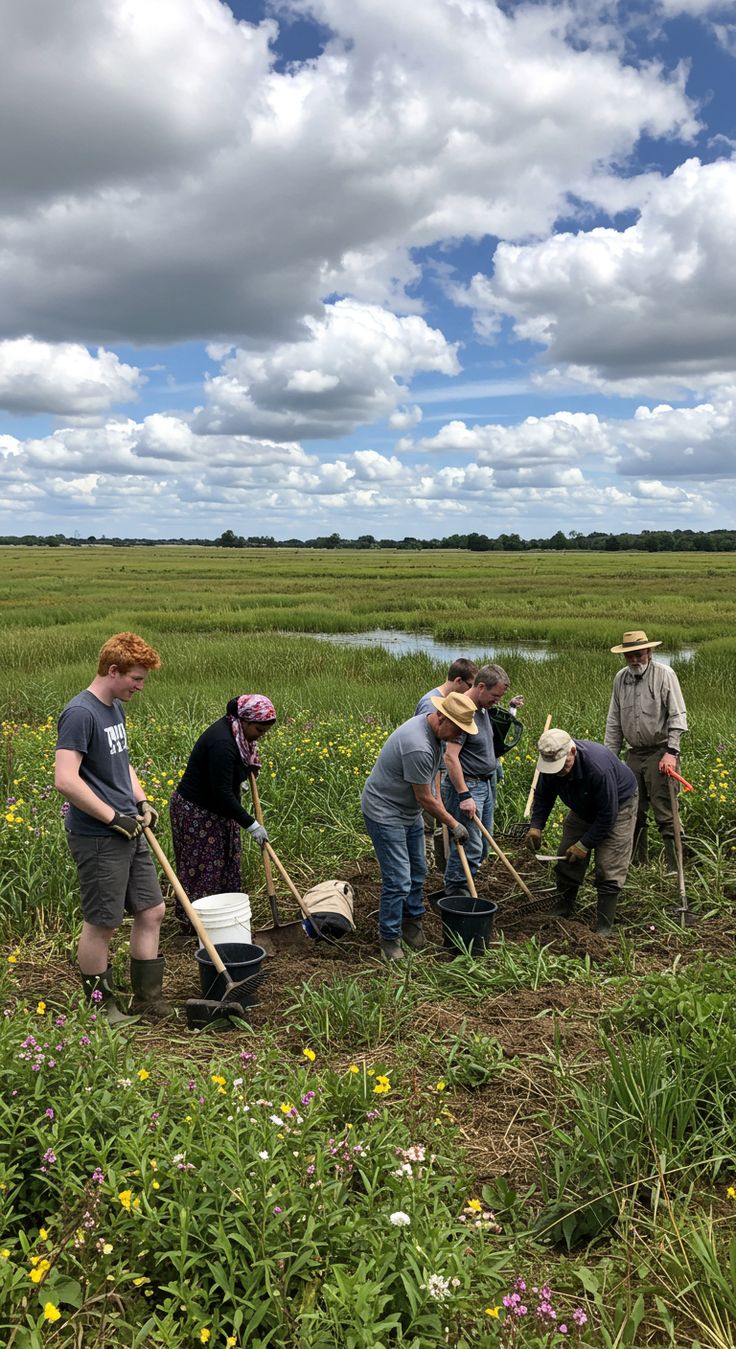
Examine lake-connected wetland conditions, water levels, vegetation, and habitats to understand the ecological state of wetland areas.
Support the protection of lake wetland habitats by maintaining suitable conditions for vegetation and wildlife.
Monitor water conditions and natural water movement within lake wetlands to help maintain suitable ecological conditions.
Establish practical conservation priorities based on lake wetland conditions, habitat requirements, water patterns.
Wetland ecosystem management around lakes focuses on protecting and maintaining wetland areas that are connected to the lake to support healthy water conditions.
Clear Lake Digital supports lake wetland management through wetland condition assessments, habitat observation, shoreline and wetland conservation planning, vegetation management strategies, and practical approaches that help maintain wetlands connected to lake ecosystems.
Wetlands associated with lakes provide important ecological functions by supporting natural vegetation, providing habitat for aquatic and wetland species, helping manage water movement, and contributing to the overall health and resilience of the surrounding lake ecosystem.
Lake-connected wetlands can be protected through habitat assessment, conservation planning, responsible vegetation management, shoreline protection, monitoring of ecological changes, and measures that reduce unnecessary disturbance.
Yes. Protecting wetlands connected to lakes can help maintain natural habitats for aquatic plants, wetland vegetation, birds, fish, amphibians, and other wildlife.
Regular monitoring helps identify changes in lake-connected wetland areas, vegetation, habitats, shoreline conditions, and surrounding ecological features.